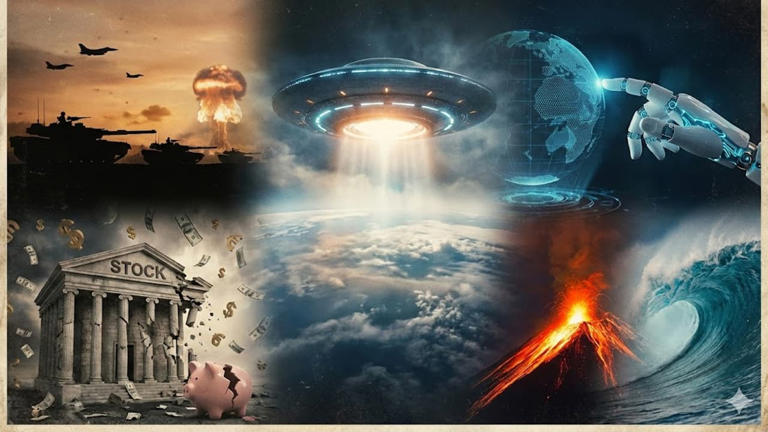
5 Chilling Signs That Baba Vanga’s 2026 World War III Prediction Is Gaining Global Attention
Breaking News | Global Geopolitical Fears & Predictions
In 2026, an old and frightening prediction has returned to global conversations with alarming intensity. Baba Vanga’s World War III prediction, once dismissed as folklore, is now spreading rapidly across social media, news platforms, and political discussions — fueled by real-world conflicts, rising global tensions, and unexpected diplomatic breakdowns.
The sudden resurgence of this prophecy has created a wave of fear, shock, and deep curiosity. Is this just another viral myth, or are current geopolitical events making people believe that history could repeat itself?
What happened? Baba Vanga’s 2026 World War III prediction went viral again.
Who is involved? Social media users, global citizens, analysts, and political observers.
Why it matters? Because fear-driven narratives can influence public sentiment, markets, and even political decisions.
Who Was Baba Vanga and Why Do Her Predictions Matter?
Baba Vanga, the blind Bulgarian mystic, is known worldwide for her alleged predictions about major global events. Supporters claim she foresaw incidents like the 9/11 attacks, the rise of global terrorism, and large-scale natural disasters.
Whether one believes in prophecies or not, her name carries psychological weight. When her predictions resurface during times of global instability, they amplify public fear and uncertainty.
This is exactly what is happening in 2026.
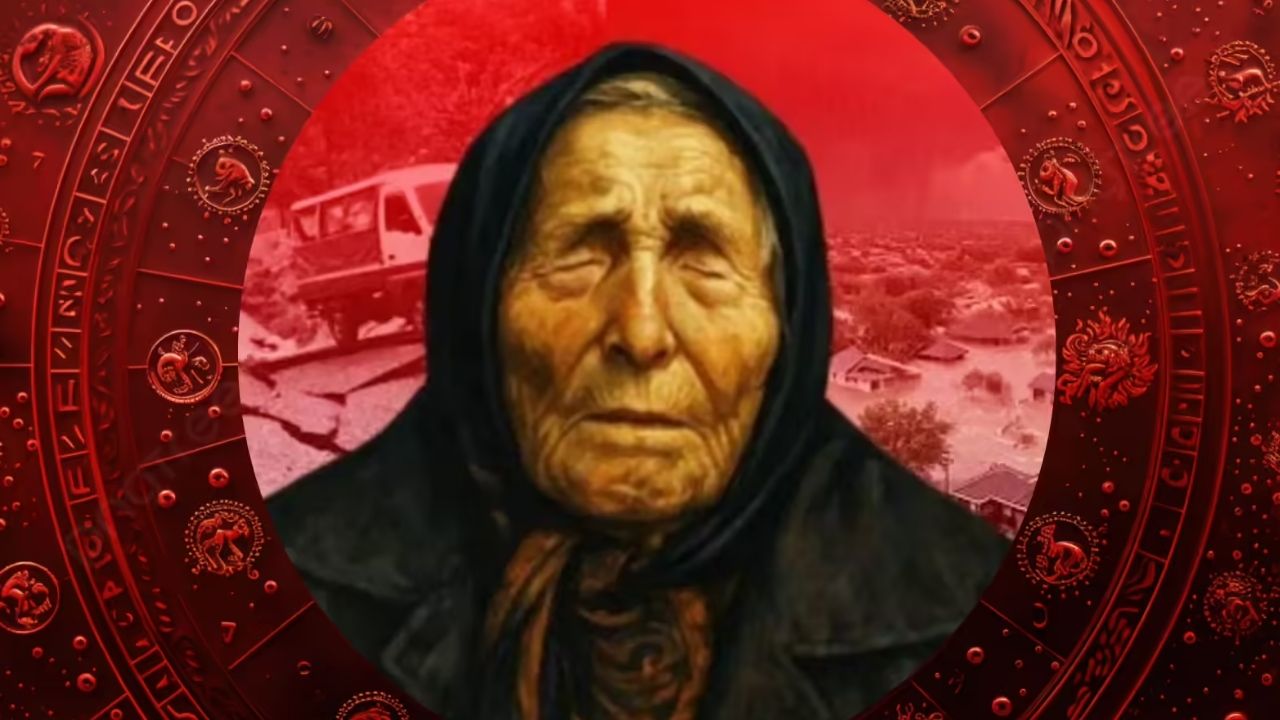
What Does Baba Vanga’s 2026 World War III Prediction Say?
According to interpretations circulating online, Baba Vanga allegedly predicted a major global conflict involving powerful nations, starting in or around 2026. The prophecy mentions large-scale destruction, global suffering, and long-term consequences for humanity.
While no original written record exists, the prediction survives through second-hand interpretations — making it both controversial and dangerously flexible.
This uncertainty fuels speculation.
Why Is This Prediction Trending Right Now?
1. Escalating Global Conflicts
Ongoing wars, military build-ups, and regional conflicts have increased global anxiety.
2. Nuclear and Cyber Threats
Discussions around nuclear readiness and cyber warfare make modern war feel closer than ever.
3. Social Media Amplification
Short videos and viral posts have pushed Baba Vanga’s name back into public consciousness.
4. Political Uncertainty
Major elections and leadership changes globally are adding instability.
Also read:
USA Presidential Election 2026: What’s at Stake
The Shock Factor: Why People Are Taking This Seriously
The shock does not come from the prophecy itself — it comes from how closely some events appear to align with public interpretations of it.
Markets react to fear. People change behavior based on belief. This psychological effect alone makes such predictions powerful.
Fear spreads faster than facts.
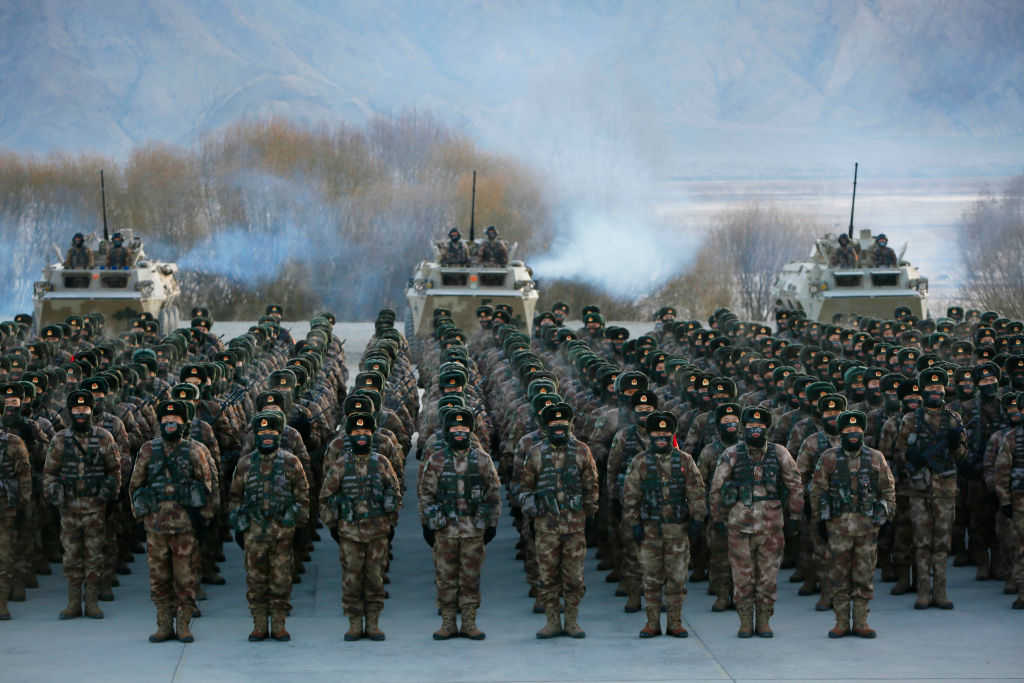
Fear vs Reality: What Experts Actually Say
Geopolitical experts strongly caution against linking mystical predictions to real-world events. They emphasize that global tensions are complex and driven by political, economic, and historical factors — not prophecies.
However, experts also admit that misinformation and fear narratives can escalate tensions indirectly.
Why Some People Still Feel Hope
Despite the fear, many believe increased awareness leads to stronger diplomacy. History shows that global crises can also result in peace agreements and international cooperation.
Hope exists — but only if fear does not control decision-making.
Impact on Society, Media, and Global Psychology
The resurgence of Baba Vanga’s prediction has influenced online behavior, news framing, and even conspiracy discussions. It reflects how uncertain the world feels in 2026.
This trend highlights humanity’s need to find meaning during chaotic times.
Related reading:
Global Elections and Their International Impact
Facts, Timeline, and Comparisons
| Category | Details |
|---|---|
| Prediction Source | Baba Vanga |
| Predicted Year | 2026 |
| Main Fear | World War III |
| Current Reality | Geopolitical tensions, regional conflicts |
| Public Reaction | Fear, curiosity, controversy |

Comparison With Past World War Predictions
Throughout history, predictions of global wars have surfaced during unstable periods. Most did not materialize, but their social impact was real.
Why This Matters More Than Ever
In the age of digital media, fear-based narratives travel instantly. This can influence public trust, elections, and international relations.
Also read:
AI Romantic Edit Trend 2026: Why It’s Going Viral
Frequently Asked Questions (FAQs)
1. Did Baba Vanga really predict World War III?
There is no verified written record, only interpretations.
2. Why is the prediction trending in 2026?
Due to rising global tensions and social media virality.
3. Is World War III likely?
Experts say predictions should not replace factual analysis.
4. Should people be worried?
Concern is natural, panic is not helpful.
5. Are prophecies reliable?
They are subjective and open to interpretation.
6. Can fear influence global events?
Yes, fear can affect markets and political decisions.
7. What do analysts recommend?
Focus on verified news and expert insights.
8. Is social media exaggerating the issue?
Often, yes.
9. Has Baba Vanga been accurate before?
Some claims exist, but none are scientifically proven.
10. What should readers do?
Stay informed, not alarmed.
Final Thought: Baba Vanga’s 2026 World War III prediction reflects humanity’s deepest fears during uncertain times. Whether myth or warning, its real power lies in how people respond to it.



0 Comments